What Happens During a Dental Crown Consultation?
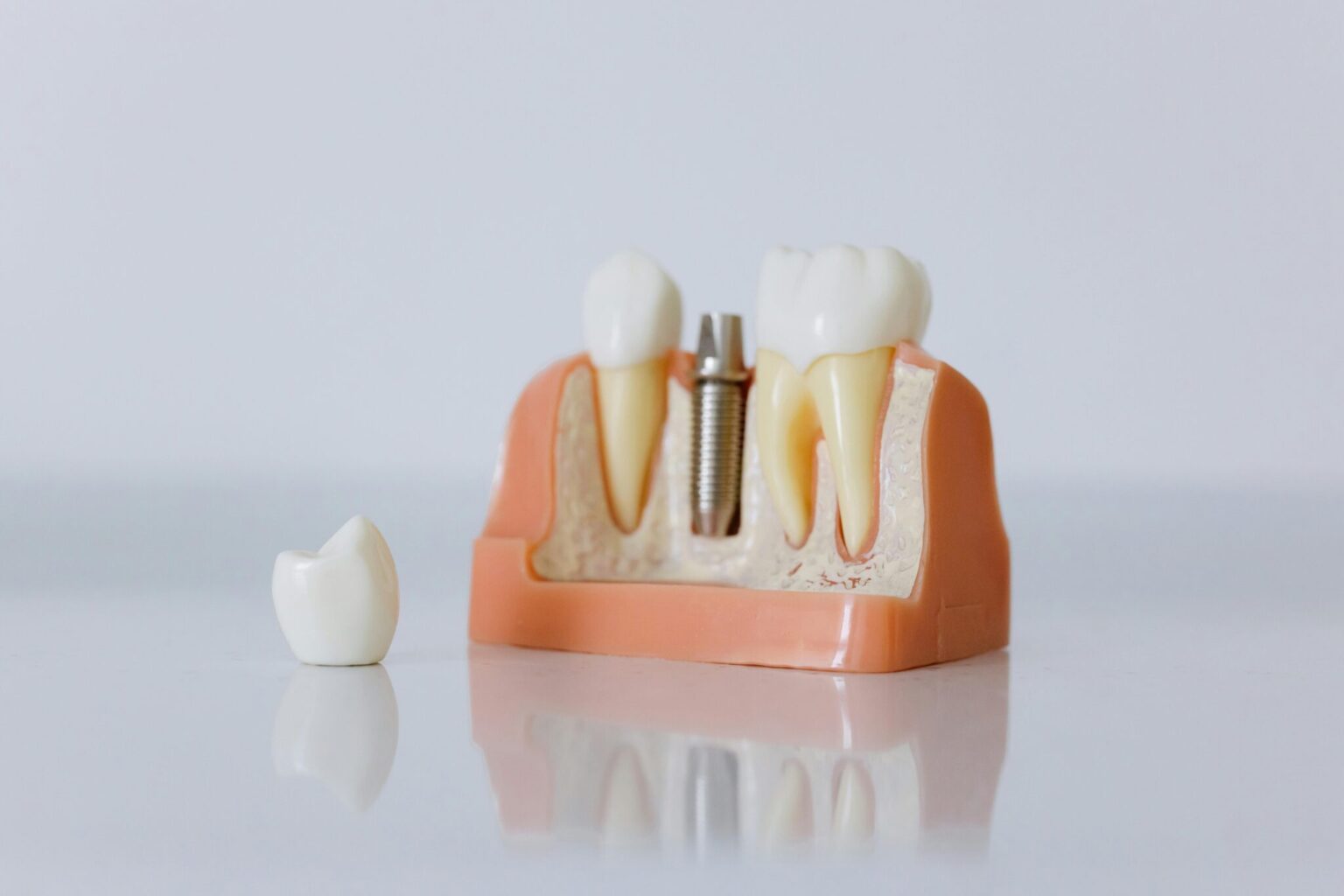
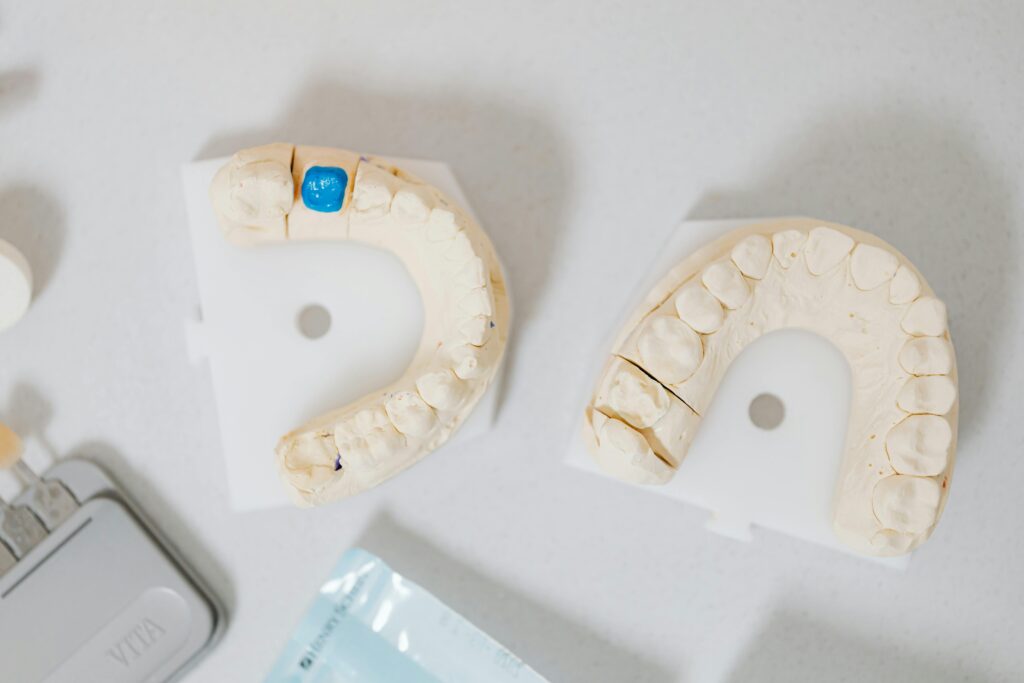
A dental crown consultation is rarely just a quick look at a tooth and a price quote. In most cases, it is a diagnostic visit, a planning appointment, and a decision-making conversation all at once. By the time you leave, your dentist should have a clear sense of whether a crown is the right treatment, what material makes the most sense, how complex the case is, and whether anything needs to happen before the tooth can be restored.
Patients often imagine the consultation as a simple yes or no moment. You walk in, the dentist looks at the tooth, and you book the crown. Real life is usually more nuanced than that. The tooth may have an old filling with hidden decay under it. A crack may look minor on the surface but extend deeper than expected. A front tooth may need a crown for cosmetic reasons, but the shade match, bite, and gum line all matter enough that the planning becomes more detailed than people anticipate.
That is why the consultation matters. It sets the course for the treatment and often determines how durable, comfortable, and natural-looking the final result will be.
Why the consultation is more important than many patients realize
Dental crowns are not one-size-fits-all restorations. The same term, crown, can apply to very different situations. One patient may need a crown on a back molar after a root canal. Another may need one because a tooth has fractured. Someone else may be replacing a large failing filling that no longer gives the tooth enough structural support. In each case, the treatment goal overlaps, but the planning does not.
A good consultation answers several practical questions. Is the tooth strong enough to keep? Is there enough healthy structure left to support a crown? Has the nerve of the tooth been damaged? Are the gums healthy around that tooth? Is the bite putting unusual pressure on the area? If the crown is in a visible part of the mouth, how exact does the color and shape need to be?
The consultation also protects patients from unnecessary treatment. Not every damaged tooth needs a crown. Some teeth can still be restored with a filling or an inlay or onlay. On the other hand, some teeth that look crown-ready are actually poor candidates because the fracture goes too far below the gum line or the root has a problem that changes the prognosis entirely.
The first part of the visit, your history and your symptoms
Most crown consultations begin with conversation, even if it feels casual. Your dentist or a team member will ask what brought you in, whether the tooth hurts, how long the issue has been present, and whether anything makes the discomfort better or worse. Those details matter more than patients sometimes think.
A tooth that hurts only when chewing suggests a different problem than one that throbs on its own. Sensitivity to cold that lingers can point toward nerve irritation. A crown that has fallen off may mean the underlying tooth is still salvageable, but it can also reveal recurrent decay or a broken core underneath. If you clench at night, grind your teeth, or have broken dental work before, that changes the material choice and the design of the restoration.
Past dental work also matters. A tooth with a very large old silver filling behaves differently from a tooth with a small composite filling. A tooth that has already had root canal treatment often needs a crown for protection, but the dentist also has to think about how much internal support remains. If a post was placed years ago, that may affect how the tooth can be rebuilt.
Patients sometimes hold back details they assume are irrelevant, such as jaw soreness, recent trauma, or the fact that they cracked the tooth while chewing ice. Those details can be useful. They help explain how the tooth failed and what may be needed to keep it from failing again.
The exam is about more than the one tooth
Once the dentist begins the clinical exam, the focus is not limited to the tooth you noticed. The surrounding teeth, gums, bite, and jaw function all come into play.
The dentist will usually check the tooth visually and with instruments, looking for cracks, decay, wear, movement, and the condition of any existing filling or crown. They may tap on the tooth, test how it responds to temperature, or have you bite on something to see whether pain appears under pressure. These tests are not just routine habits. They help sort out whether the problem is structural, bacterial, nerve-related, or some combination of the three.
The gums around the tooth are also part of the picture. If the gum tissue is inflamed or the tooth has significant bone loss, placing a crown may not solve the larger problem. A beautifully made crown on a tooth with poor periodontal support will not perform well for long. In some cases, gum treatment or improved home care has to come first.
Your bite is another major factor. A crown on a heavily loaded molar needs different planning than a crown on a tooth that sees lighter forces. If the dentist sees evidence of grinding, flattened chewing surfaces, or fractures on other teeth, they may recommend a stronger material or talk to you about a night guard. Patients are sometimes surprised by that recommendation during a crown consultation, but it is often a sign the dentist is thinking ahead instead of focusing only on the immediate repair.
X-rays and images, what they show that the eye cannot
A crown consultation often includes dental X-rays, and in some practices, digital photographs or an intraoral scan. These images tell the part of the story that a mirror and explorer cannot.
An X-ray helps reveal decay between teeth, the depth of an existing filling, the health of the root, the condition of the bone around the tooth, and whether prior root canal treatment looks stable. If the tooth has a crack, standard X-rays do not always show it clearly, but they can still expose warning signs such as bone changes, widening around the ligament space, or hidden defects under old restorations.
Photographs are especially useful when the crown is visible when you smile. A good set of images allows the dentist to study shape, shade, translucency, and gum symmetry. If a lab is involved, those images can help the technician build something that matches the neighboring teeth instead of producing a crown that looks technically correct but visually off.
Intraoral scanning can also be part of the consultation, depending on the practice. Sometimes the scan is taken later at the preparation visit, but in more complex cosmetic cases it may be gathered early. The scan can help evaluate spacing, wear patterns, and how the upper and lower teeth fit together.
Determining whether a crown is actually the right treatment
This is the core of the visit. The dentist is trying to decide not just whether the tooth can receive a crown, but whether it should.
A crown is typically recommended when a tooth has lost enough structure that a filling would not be strong or durable enough. That often happens after a large cavity, a fracture, or repeated cycles of old fillings being replaced. The crown works like a protective shell over the remaining tooth, helping it resist splitting under chewing pressure.
Still, there are important gray areas. A moderately damaged tooth might be treated conservatively with an onlay rather than a full crown. A front tooth with cosmetic concerns might be better served with veneers if the structure is otherwise healthy. A badly broken tooth may look crownable until the dentist finds that the damage extends too far below the gum line to create a reliable seal.
This is also the moment when root canal treatment may enter the discussion. If the nerve of the tooth is inflamed beyond recovery or infected, the crown cannot simply be placed first and hoped for later. The internal problem has to be addressed. Sometimes the consultation ends with a straightforward plan for crown Omni Dental Specialty Dental Crowns treatment. Other times it becomes a sequence, such as root canal first, foundation build-up next, crown after that.
The conversation about crown materials
Most patients know crowns can be made from different materials, but they do not always know why one is recommended over another. The consultation is where that choice should be explained in plain terms.
Porcelain or ceramic crowns are often chosen for visible teeth because they can look very natural. Modern ceramics are also strong enough for many back teeth, particularly when the bite is favorable and enough material thickness can be created. Zirconia crowns are widely used because they offer excellent strength and have become more aesthetic than earlier versions. Porcelain fused to metal crowns still have a role in certain situations, though they are less commonly selected than they once were.
The right material depends on more than appearance. It depends on the location of the tooth, the amount of room between the upper and lower teeth, whether the patient grinds, how visible the tooth is when speaking or smiling, and whether the tooth has metal underneath from an existing build-up or post.
A molar in a heavy grinder may push the decision toward a stronger option. A front tooth with subtle translucency may favor a more aesthetic ceramic. A patient who has fractured porcelain before may want a material with a different performance profile. There is no universal best crown material. There is only the best fit for that specific tooth in that specific mouth.
Shade, shape, and the cosmetic side of planning
When the crown is for a front tooth or a premolar that shows when you smile, the consultation often becomes much more detailed. This part matters because a crown can be healthy and strong yet still feel wrong if it does not blend with the surrounding teeth.
Shade selection is not just picking light, medium, or dark. Natural teeth have variations. The neck of the tooth near the gum may be slightly warmer. The biting edge may be more translucent. Adjacent teeth may have tiny surface characteristics that affect how the light reflects. If you have had whitening done recently, that timing matters too. Dentists often advise completing whitening before the final shade is chosen so the crown can be matched to the brighter teeth rather than the old color.
Shape is just as important. Some patients want the new crown to recreate exactly what was there before. Others want a subtle improvement if the old tooth was chipped, shortened, or misshapen. Those are not trivial decisions. Even small changes in length or contour can affect speech, bite, and facial harmony.
A careful dentist will ask what you want the crown to look like instead of assuming your only concern is function. That conversation tends to prevent disappointment later.
What happens if the tooth needs more support first
Many teeth that receive crowns need some kind of reinforcement before the crown itself can be made. During the consultation, you may hear terms such as build-up, core, post, or crown lengthening. They sound technical, but the concepts are straightforward.
A build-up means the dentist adds material to rebuild missing parts of the tooth so the future crown has a proper foundation. This is common when a large filling is removed and the remaining tooth has deep voids or weak walls. A post may be used in some root canal treated teeth to help retain the build-up, though modern dentistry is often conservative about posts because they are not automatically beneficial in every case.
Crown lengthening refers to reshaping gum tissue, and sometimes bone, to expose more tooth structure. This may be necessary if the break or decay extends too close to or below the gum line. Without enough exposed tooth, the crown may not seal properly or stay secure.
These added steps can surprise patients, especially if they arrived expecting a simple crown. Yet they are often what separates a restoration that lasts a few years from one that holds up well much longer.
Timing, number of visits, and what the process usually looks like
One of the most common questions during a crown consultation is how long everything will take. The answer depends on the technology in the office and the complexity of the case.
Traditional crowns usually involve a preparation visit and a second visit for delivery. At the preparation appointment, the tooth is shaped, impressions or digital scans are taken, and a temporary crown is placed while the lab makes the final restoration. That period often lasts one to three weeks. If the case is complex, involves cosmetic customization, or requires gum healing first, it may take longer.
Some offices offer same-day crowns using in-house scanning and milling technology. In those cases, consultation and treatment may still be separate visits, but the actual crown can sometimes be designed, milled, and bonded in one appointment. Same-day treatment is convenient, though it is not ideal for every case. A highly aesthetic front tooth, for example, may still benefit from a skilled laboratory technician and more detailed customization.
The consultation is also when your dentist should explain what the temporary phase may feel like. Temporary crowns are useful, but they are not the final product. They can be more sensitive, less polished, and occasionally come loose. Knowing that ahead of time helps patients avoid unnecessary alarm.
Cost, insurance, and why estimates vary
Crown fees can vary widely based on geography, materials, the complexity of the tooth, whether additional procedures are needed, and whether the crown is made in-house or by an outside lab. A straightforward molar crown with no surprises is very different from a front tooth crown that needs layered esthetics, gum refinement, and custom shading.
Insurance coverage adds another layer. Some plans contribute to crowns when they are deemed medically necessary, such as for a fractured or heavily restored tooth, but not for purely cosmetic reasons. Some plans downgrade to a less expensive material even if a more aesthetic or stronger option is actually used. Others have waiting periods, annual maximums, or restrictions if the tooth has not met a replacement interval for prior work.
This is why the consultation often includes a treatment coordinator or front desk discussion after the clinical exam. A written estimate is helpful, but it is still an estimate until insurance processes the claim. Good offices are usually careful to say that directly.
If the tooth may need root canal treatment, a build-up, or gum surgery, ask whether those costs are separate. Many misunderstandings happen not because anyone is being deceptive, but because patients hear “the crown costs this much” and assume that covers every related step. Sometimes it does not.
Questions worth asking before you commit
A productive consultation is a two-way conversation. Patients who ask thoughtful questions usually leave more comfortable with the plan and less likely to be surprised by the result. A few questions tend to be especially useful:
- Is a crown the most conservative reliable option, or is there an alternative?
- What is the long-term outlook for this tooth?
- Will I need a root canal, build-up, or any other procedure first?
- What crown material do you recommend for my case, and why?
- What should I expect in terms of sensitivity, temporary wear, and follow-up?
Those questions do not challenge the dentist. They clarify the reasoning behind the recommendation. In practice, patients who understand the trade-offs usually make better decisions for themselves.
When the consultation uncovers a problem that changes the plan
Not every crown consultation ends with a crown. Sometimes the findings point elsewhere.
A tooth may have a vertical root fracture that makes it non-restorable. In that case, placing a crown would not be a solution, it would be an expensive delay before extraction. An old root canal may show signs of recurrent infection, which could shift the discussion toward retreatment or apical surgery before any crown work proceeds. A tooth with very little remaining structure may technically be rebuildable, but the odds of long-term success may be poor enough that the dentist advises replacement options instead.
This can be frustrating for patients who arrive expecting a straightforward fix. Still, it is far better to learn that at the consultation than after money and time have already been committed to a restoration that was unlikely to last.
On the other side, some consultations end with a simpler plan than expected. A patient may fear they need a crown when the tooth only needs a replacement filling. That is one reason it is wise not to self-diagnose based on internet photos or a friend’s experience. Teeth fail in ways that look similar but require very different treatments.
How to prepare for the appointment
You do not need elaborate preparation for a dental crown consultation, but a little forethought can make the visit more useful. If you have old dental records or recent X-rays from another office, it is worth asking whether they can be transferred. If the problem is intermittent, make note of what triggers it, hot drinks, cold air, chewing on one side, sweets, or spontaneous pain at night. Those patterns often help.
It also helps to mention cosmetic priorities clearly. Patients sometimes feel awkward saying, “I want this tooth to look better than it did before,” but that is exactly the sort of information your dentist needs. The same applies if your schedule matters and you are hoping for same-day treatment, or if you have had trouble getting numb in the past, or if dental anxiety is part of the picture.
If you grind your teeth and already wear a night guard, bring it. If you have had a crown break before, say so. Small details often influence the treatment design.
What a good consultation feels like from the patient side
The best dental crown consultations are usually not rushed. They are efficient, but they leave room for explanation. You should come away understanding what is wrong with the tooth, why a crown is or is not being recommended, what material is being considered, what the alternatives are, and what the process will involve.
You should also feel that the recommendation fits your situation rather than a generic script. A retired patient with low aesthetic demands and light chewing forces may sensibly make a different choice than a younger patient with a wide smile, heavy bite, and a front tooth in question. Good dentistry is technical, but it is also individualized.
If something sounds vague, ask for more detail. If the office cannot explain why a crown is needed, what other options exist, or what the prognosis is, that is worth pausing over. Crowns are common treatment, but they are still an investment in tooth structure, time, and money. The consultation should reflect that level of importance.
By the end of the appointment, the goal is simple. You should know whether a dental crown is the right next step, what that treatment is meant to accomplish, and what kind of result is realistically possible. When that conversation is handled well, the actual crown procedure tends to feel much less intimidating, because the biggest uncertainty has already been removed.
Omni Dental Specialty
1690 E Gonzales Rd, Oxnard, CA 93036, United States
+1 805-410-9603
FAQ About Dental Crowns
How long do crowns last on teeth?
A dental crown often lasts about five to fifteen years, although some last longer. Material, the underlying tooth, oral hygiene and grinding habits affect longevity. Regular dental examinations help identify wear, decay or a loose crown; no lifespan is guaranteed.
How much does a tooth crown cost?
There is no single price for every crown. Material, laboratory work, the condition of the tooth and any additional treatment affect the fee. Ask for a written estimate and confirm your insurance benefits, exclusions and out-of-pocket costs before treatment.
What is the downside of crowns on teeth?
A conventional crown usually requires irreversible removal of some tooth structure. Possible problems include sensitivity, chipping, loosening and decay at the crown margin; some teeth later need root canal treatment. Discuss your tooth's condition, material choices and suitable alternatives with your dentist.