Straighten Your Teeth Discreetly With Invisalign Oxnard CA
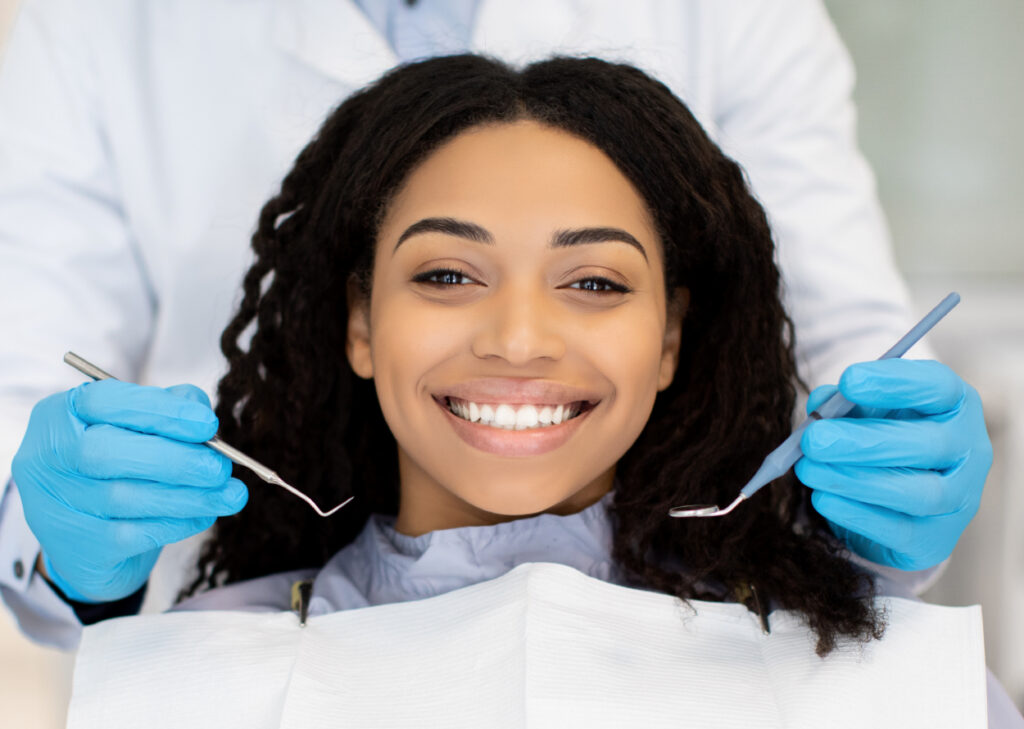
A lot of adults put off orthodontic treatment for one simple reason: they do not want braces to be the first thing people notice when they smile. Teenagers often feel the same way, especially once school photos, sports, and social life enter the picture. That hesitation is understandable. Traditional braces work well, but they are visible, they can make oral hygiene more complicated, and they do ask for a certain level of patience with wires and brackets.
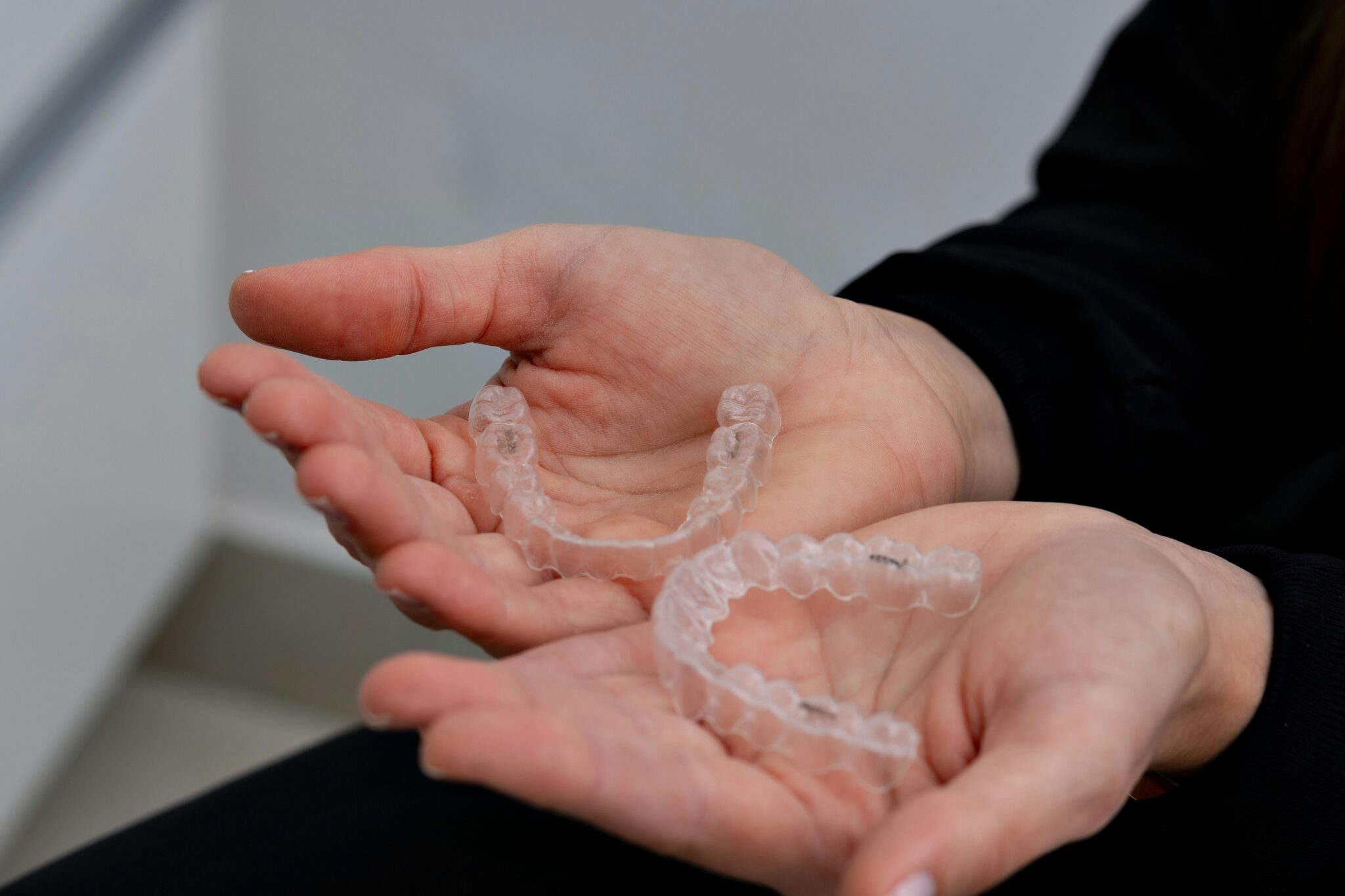
That is why so many people ask about Invisalign in Oxnard CA. Clear aligners offer a different path. They are designed to straighten teeth with a series of removable trays that fit closely over the teeth, so treatment blends into daily life far more easily than metal braces. For many patients, that discretion is not a small perk. It is the very reason they finally decide to address crowding, gaps, or bite issues they have lived with for years.
Still, discreet does not mean effortless, and clear aligners are not a magic shortcut. They are a tool, and like any orthodontic tool, their success depends on the right diagnosis, the right treatment plan, and a patient who will actually wear them as instructed. If you are considering Invisalign, it helps to know what the process looks like in real life, what kinds of cases it handles well, and where the limits are.
Why Invisalign appeals to busy adults and self-conscious teens
People often assume cosmetic concerns are the main driver behind Invisalign. Appearance does matter, but in practice the reasons are usually more layered than that. A working professional may not want braces during client meetings. A college student may want a treatment option that does not alter every photo for two years. A parent might finally be ready to invest in their own smile after spending years prioritizing everyone else.
There is also the comfort factor. Clear aligners do not involve brackets rubbing against cheeks or wires needing adjustment. Most patients still feel pressure, especially when switching to a new set of trays, but the sensation is different. It tends to feel more like controlled tightness than sharp irritation. That distinction matters when someone is deciding whether treatment feels manageable over months.
Invisalign also fits more naturally into routines that already feel crowded. The trays come out for meals, which means there are no restrictions against apples, popcorn, crusty bread, or nuts in the way there often are with braces. If someone has ever seen a child try to navigate caramel with traditional brackets, the appeal of removable aligners becomes pretty obvious.
For patients in Oxnard CA, convenience can be part of the draw too. People balancing work in Ventura County, school schedules, commuting, family obligations, and community commitments often want treatment that is efficient and predictable. Clear aligners can support that, especially when the case is straightforward and the patient follows instructions closely.
What Invisalign actually does
Invisalign uses custom-made, transparent trays to move teeth gradually. Each set of aligners is slightly different from the one before it. As you wear them, usually for about one to two weeks per set depending on the plan, the trays apply controlled force to specific teeth. Over time, those small movements add up to visible change.
That sounds simple, and in one sense it is. But the planning behind it is precise. Before treatment starts, the dental team takes digital scans or impressions, photographs, and often X-rays. Those records help determine whether the teeth, gums, roots, and jaw relationships make someone a good candidate. Then a step-by-step treatment sequence is created.
Many people are surprised to learn that Invisalign can treat more than mild cosmetic spacing. In the right hands, it can address crowding, gaps, some overbites, some underbites, crossbites, and relapse after earlier orthodontic treatment. It can also be part of a larger restorative or cosmetic plan. For example, a patient who wants veneers may be advised to straighten first so less enamel reduction is needed later. A patient planning implants may benefit from moving teeth into a healthier, more functional position before restorative work begins.
The key phrase is “in the right hands.” Clear aligners are highly capable, but they are not interchangeable with expertise. Case selection and planning matter tremendously.
Not every smile should be treated the same way
One of the biggest misconceptions about Invisalign is that anyone who wants straighter teeth can simply order trays and expect a great outcome. Real orthodontics does not work that way. Teeth move through bone, not just across a computer screen. The roots matter. The bite matters. Gum health matters. The patient’s habits matter.
A person with slight crowding in the front teeth may be an excellent candidate for Invisalign and finish treatment smoothly. Another person with severe bite discrepancies, impacted teeth, active gum disease, or significant jaw alignment issues may be better served by braces or by a more comprehensive orthodontic approach. Sometimes the best recommendation is a hybrid strategy, where clear aligners are used for part of the treatment and another method is used for the rest.
This is where a detailed evaluation in Oxnard CA becomes valuable. A proper consultation should go beyond “yes, we can straighten those teeth.” It should address what needs to move, how long it may take, whether attachments are needed, whether interproximal reduction might be recommended, how the bite will be monitored, and what the retention phase will involve afterward.
A careful clinician also looks at lifestyle fit. Invisalign only works if it is worn enough. Most treatment plans call for 20 to 22 hours of wear per day. For disciplined patients, that is very manageable. For people who snack constantly, travel unpredictably, or tend to lose things, compliance can become the weak link. That does not mean they cannot succeed. It does mean expectations should be honest from the start.
The subtle details people do not expect
The word “discreet” is accurate, but it should be understood correctly. Invisalign trays are clear, not invisible. Up close, people may notice them, especially if there are small tooth-colored attachments bonded to certain teeth. These attachments help the aligners grip and move teeth more effectively. They are usually much less noticeable than braces, but they are not nothing.
Speech can also change for a few days. Most patients adapt quickly, but there can be a slight lisp at first, particularly with certain sounds. In my experience, the adjustment period is usually shorter than patients fear. Someone who has to give presentations for work may notice it for the first several days, then forget about it entirely by the next week.
There is also the hygiene side. Since aligners sit directly over the teeth, it is best to brush before putting them back in after meals. If someone eats lunch, drinks coffee, then places the trays back without cleaning their teeth, the aligners can trap food particles and sugars against the enamel. That is not a recipe for a healthy mouth. People who do very well with Invisalign usually develop a rhythm: remove trays, eat, brush or rinse, then reinsert. After the first week or two, it becomes automatic.
Daily life with Invisalign in Oxnard CA
Orthodontic treatment should fit a real life, not an idealized one. If you are considering Invisalign in Oxnard CA, it helps to picture how the trays function during ordinary days rather than only during the consultation.
A patient with a standard office schedule often does quite well. Breakfast, coffee, lunch, dinner, then the trays go right back in between meals. A teenager involved in sports likes that there are no brackets to catch on the inside of the lips during practice. Someone heading to a wedding or speaking event may appreciate being able to remove the aligners briefly for photographs.
On the other hand, a person who sips sweetened drinks for hours while working at a desk will need to change that habit. Aligners should generally be removed for anything other than plain water. Hot beverages can warp the plastic. Dark drinks can stain it. Sugary beverages under trays are tough on enamel.
Patients also ask whether Invisalign hurts. The honest answer is that it is more accurate to call it sore than painful. When a new tray goes in, there is usually pressure for a day or two. That pressure is a sign the aligner is active. It can make biting into firm foods feel tender at first. Most people describe the sensation as noticeable but tolerable. If someone has had braces tightened before, they often find Invisalign easier overall.
For athletes and performers, removable aligners can be a practical advantage. A musician who plays a wind instrument may need a short adjustment period, but many prefer trays over brackets. A patient in theater or media work often values the low-profile appearance. These details may sound minor until they affect your day-to-day confidence.
What treatment often looks like from start to finish
The first appointment is usually focused on evaluation and planning. Digital scans are taken, the bite is reviewed, and the provider discusses whether Invisalign is the right tool for your case. If it is, the scans are used to create custom aligners. Once the trays are ready, you return to have any necessary attachments placed and to receive instructions on wear and care.
From there, treatment settles into a rhythm. You wear each aligner set for the prescribed time, attend periodic check-ins, and move through the series. Some visits are brief. The goal is to confirm that the teeth are tracking as expected. If they are not, refinements may be needed. Refinements are common, and patients should not interpret them as failure. Teeth are biological structures, not machine Invisalign Oxnard CA parts. Sometimes they respond a little differently than predicted, and the plan gets adjusted.
Treatment length varies widely. A mild cosmetic case may take several months. A more involved case can take well over a year. It depends on how much movement is needed, how consistently the trays are worn, and whether mid-course corrections become necessary. Any office that gives a one-size-fits-all timeline before looking carefully at your records is oversimplifying.
After active treatment ends, retainers matter just as much as they do after braces. Teeth have a strong tendency to drift back toward their original positions. Patients who stop wearing retainers often learn that lesson the hard way. I have seen people who invested significant time and money into orthodontic treatment, then let the result slip because they treated retention as optional. It is not optional.
Where Invisalign shines, and where caution is wise
Clear aligners tend to shine in cases where aesthetics, hygiene, and flexibility are major priorities. Adults who postponed treatment for years often feel relieved when they realize they can improve their smile without drawing attention to the process. Patients who have had minor relapse after previous braces are also common Invisalign candidates. In those situations, the treatment can be efficient and highly satisfying.
There are trade-offs, though. Because aligners are removable, they rely on self-discipline in a way braces do not. A bracket cannot be left in a napkin at lunch or forgotten on a bathroom counter in a hotel. An aligner can. Patients who are meticulous usually thrive with Invisalign. Patients who know they struggle with routines may need a frank conversation about whether another option would be more reliable.
There is also the question of complexity. Some tooth movements are more predictable with braces, especially when significant vertical changes, rotations, or root movements are required. That does not mean Invisalign cannot handle difficult cases, only that difficult cases demand excellent planning and close supervision. A provider should be comfortable explaining not just the benefits of Invisalign, but its limitations in your specific situation.
Questions worth asking at your consultation
A strong Invisalign consultation should leave you better informed, not simply sold to. If you are comparing options in Oxnard CA, these questions tend to reveal whether the discussion is thorough and patient-centered:
- Am I a good candidate for Invisalign, or would braces give a better result?
- What kind of tooth movements are needed in my case?
- How long is treatment likely to take, and what could extend that timeline?
- Will I need attachments, refinements, or bite adjustments during treatment?
- What will retention look like once my teeth are straight?
When patients ask thoughtful questions, they often get better treatment experiences. Not because the technology changes, but because expectations are aligned from the beginning.
Cost, value, and what people are really paying for
The cost of Invisalign in Oxnard CA can vary based on case complexity, treatment duration, the provider’s experience, and what is included in the plan. A very minor alignment case is not priced the same way as a comprehensive bite correction. It is also worth asking whether retainers, refinement trays, follow-up visits, and replacement aligners are included or billed separately.
Price matters, but value is broader than price. A lower fee can become expensive if treatment is poorly planned, drags on due to weak oversight, or fails to address the bite properly. On the other hand, the highest fee does not automatically guarantee the best care. What patients should look for is clarity: a provider who explains the diagnosis, the likely path, the limits, and the financial details without vagueness.
For many people, the real calculation is not simply whether Invisalign costs more or less than braces. It is whether the benefits justify the investment. If the discreet appearance means a patient finally feels comfortable starting treatment, that has value. If the removability helps them maintain better oral hygiene throughout treatment, that has value too. Orthodontics is never purely cosmetic. Better alignment can improve function, reduce areas where plaque collects, and make future dental work easier to maintain.
Adults often make the best Invisalign patients
Teenagers can do very well with Invisalign, but adults are often the most consistent wearers. They have chosen treatment for themselves, they understand the financial commitment, and they tend to be more motivated by the long-term result. Some have spent years hiding their smile in photos or speaking with their lips barely parted. When they finally see alignment improving, it can be a surprisingly emotional experience.
One patient type that stands out is the person who had braces as a child, stopped wearing retainers, and now sees crowding returning in the lower front teeth. That pattern is extremely common. The teeth were once straight, life got busy, and the retainer gradually disappeared from the routine. Invisalign is often a very appealing fix because it addresses relapse without recreating the full braces experience they remember from adolescence.
Another common adult patient is someone preparing for a major life event, a wedding, a career change, public-facing work, or even just a long-delayed family photo session. While it is never wise to start treatment with unrealistic deadlines, these milestones often provide the motivation to take action.
The local angle matters more than people think
Choosing a provider in Oxnard CA is not only about geography. It is about access, follow-up, and continuity of care. Orthodontic treatment is a process. Even when everything goes smoothly, it still benefits from periodic professional review. If something is not tracking properly, if an attachment comes off, or if refinement is needed, local support makes the experience easier.
That is especially relevant for families, working professionals, and patients with packed schedules. A convenient office location and reasonable appointment flow can make compliance much easier over the course of treatment. It is one thing to feel enthusiastic on day one. It is another to stay consistent month after month. The practical details often shape that consistency more than people expect.
Oxnard patients also tend to appreciate treatment that accommodates active routines. Between work, school, sports, and time outdoors, a discreet, removable orthodontic option often fits naturally. But the right fit still depends on honest assessment. The best consultations do not overpromise. They match the treatment to the person.
Signs Invisalign may be worth exploring
If you are unsure whether to schedule an evaluation, a few patterns tend to point people toward a worthwhile conversation:
- You are bothered by crowding, spacing, or minor bite issues but do not want visible braces.
- You had braces before and your teeth have shifted.
- You want an orthodontic option that allows you to remove the appliance for meals and brushing.
- You are comfortable following a structured wear schedule most days.
- You want a straighter smile with a treatment plan tailored to your bite, not a generic mail-order approach.
That last point deserves emphasis. Proper Invisalign treatment is not just about making front teeth look better in selfies. It is about moving teeth in a way that supports long-term health and function.
A straighter smile without advertising the process
There is something deeply practical about Invisalign. It answers a real barrier that keeps many people from pursuing treatment. They want straighter teeth, but they do not want the social or professional visibility of braces. Clear aligners offer a middle ground: meaningful orthodontic correction with far less interruption to how a person looks and lives day to day.
For the right patient, Invisalign can be a smart, discreet, and highly effective choice. It can improve alignment, confidence, hygiene access, and bite relationships while staying mostly under the radar. But the best outcomes come Invisalign Oxnard CA from more than clear plastic. They come from accurate diagnosis, thoughtful planning, realistic expectations, and steady follow-through.
If you have been considering Invisalign in Oxnard CA, the next step is not to guess whether it might work for you. It is to have your teeth, bite, and goals evaluated carefully. Straightening teeth discreetly is absolutely possible. Doing it well is what matters.
Omni Dental Specialty
Address: 1690 E Gonzales Rd, Oxnard, CA 93036
Phone number: +18053666000
FAQ About Invisalign Oxnard CA
How much does Invisalign actually cost?
The out-of-pocket cost for Invisalign typically ranges between $3,000 and $8,000, with most patients paying a national average of roughly $5,100 to $5,700 before insurance.
What is the downside to Invisalign?
The biggest downsides to Invisalign are the intense discipline required to wear the trays 22 hours a day, the inconvenience of removing them to eat or drink, and the inability to fix severe, complex orthodontic issues.
Is $5000 a lot for Invisalign?
No, $5,000 is not considered a lot for Invisalign; it is exactly the national average. Treatment costs typically fall between $3,000 and $8,000, and $5,000 is the standard fee for a moderately complex case that takes 6 to 18 months to complete.