How Dental Crowns in Oxnard CA Solve Common Dental Problems

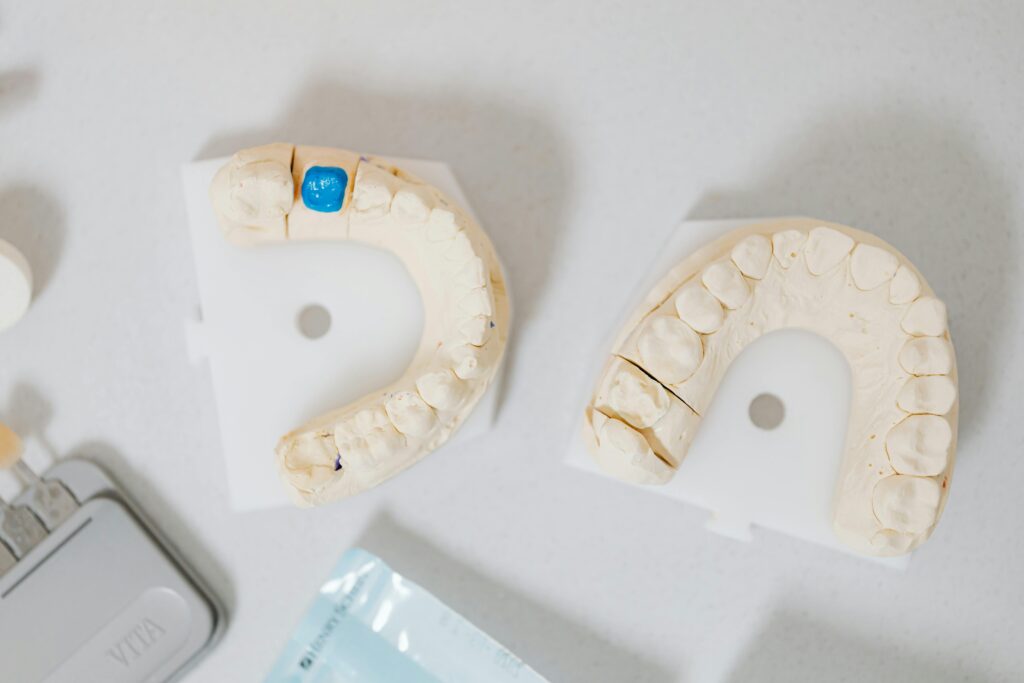
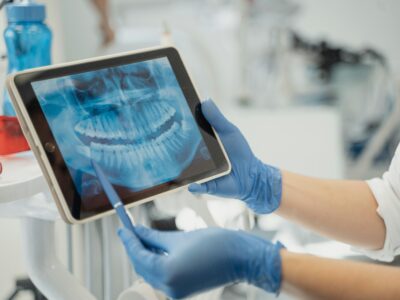
A dental crown is one of those treatments patients often hear about long before they actually need one. By the time they sit in the chair asking questions, the tooth has usually cracked, a filling has failed, or chewing on one side has become a habit they did not realize they had developed. Crowns are common because they solve a practical problem: they help save teeth that are too damaged for a simple filling but not so compromised that extraction is the best answer.
For patients looking into Dental Crowns Oxnard CA, the real issue is rarely just the crown itself. It is the bigger question behind it. Can this tooth be saved? Will it look natural? How long will it last? Is there another option that makes more sense? Those are the questions that matter in a real treatment room, especially when the tooth is visible when you smile or carries most of the pressure when you chew.
Crowns work because they do two jobs at once. They restore function and protect what remains of the natural tooth. In many cases, that combination prevents a manageable problem from becoming a much larger one.
What a dental crown actually does
A crown is a custom-made cap that fits over a prepared tooth. Once bonded into place, it covers the visible portion above the gumline and acts like a protective outer shell. It is shaped to match your bite and, when done well, blends with neighboring teeth in color and contour.
That may sound simple, but the clinical value is significant. Teeth do not heal from cracks the way skin or bone can. When a tooth loses too much structure, whether from decay, trauma, grinding, or repeated dental work, it becomes more vulnerable every time you bite down. A crown redistributes force and reduces the chance that the remaining tooth structure will split or crumble further.
Patients sometimes assume crowns are mostly cosmetic. They can certainly improve appearance, but in daily practice the larger reason is structural support. A tooth with a large filling may look fine until one cusp breaks off during lunch. A root canal treated molar may feel better after infection is removed, but without a crown it can remain brittle and prone to fracture. The crown is often what turns a weak tooth back into a usable one.
When a filling is no longer enough
There is a point where replacing a filling again and again stops being conservative. That point arrives sooner than many people expect.
Every time an old filling is removed and replaced, a little more tooth structure may need to come with it. If decay creeps around the edges, or the restoration breaks under pressure, the next repair often has to be larger. Eventually there is not enough strong enamel and dentin left to support another filling predictably. That is where crowns become valuable.
A good rule of thumb is that the more of the tooth has already been restored, the more carefully a dentist evaluates whether a filling can still withstand normal forces. Back teeth are under the greatest stress. Premolars and molars take repeated pressure from chewing, clenching, and grinding. A large cavity on one of those teeth may be repairable with a filling in some cases, but if the walls of the tooth are thin or undermined, a crown often offers a much longer-lasting result.
This is one area where patients sometimes feel confused. If the tooth does not hurt much, the recommendation for a crown can sound aggressive. In reality, it is often preventive in the best sense of the word. Treating a compromised tooth before it fractures deeply can spare the patient a root canal, an extraction, or the need for an implant later.
Cracked teeth and the quiet damage they cause
Not every cracked tooth announces itself dramatically. Some do. A patient bites an olive pit or a hard seed and feels a sharp snap, followed by immediate pain. But many cracks develop slowly. They begin as tiny structural failures from years of heavy chewing, nighttime grinding, or stress concentrated around old fillings.
The classic symptom is pain when biting down, especially on release. Hot and cold sensitivity may come and go. Sometimes the discomfort is maddeningly inconsistent. Patients say things like, “It only hurts once in a while,” or “I can’t tell which tooth it is.” That is typical. Small cracks can be difficult to detect early, and standard X-rays do not always reveal them unless the crack has progressed significantly.
A crown can help by holding the tooth together and reducing flex during biting. That is especially useful when the crack has not yet traveled into the root. Timing matters here. If a crown is placed before the crack worsens, the tooth often settles down and remains serviceable for years. If treatment is delayed and the crack extends too far, the tooth may become non-restorable.
That judgment is one of the more nuanced parts of restorative dentistry. Not every cracked tooth should be crowned, and not every cracked tooth can be saved with one. Surface craze lines in enamel, for example, are often harmless. A true structural crack in a symptomatic tooth is another matter entirely. Distinguishing between those situations requires a close exam, bite testing, imaging, and sometimes careful monitoring.
Why crowns are often recommended after root canal treatment
Patients are frequently told they need a crown after a root canal, especially on a back tooth. This recommendation is so common that it can sound automatic, but there is solid reasoning behind it.
A root canal removes infected or inflamed pulp tissue from inside the tooth. That resolves pain and infection, but it does not reinforce the remaining tooth structure. In fact, teeth that need root canals have often already suffered from deep decay, repeated restorations, or structural breakdown. By the time treatment is complete, the tooth may be significantly weakened.
Molars are the best example. They absorb heavy biting forces every day. A root canal treated molar with a large access opening and old filling material is much more likely to fracture if left uncovered. When that fracture happens, it is often sudden and expensive. A crown placed soon after endodontic treatment protects the tooth and restores its shape so it can function normally again.
Front teeth are different. If an anterior tooth has enough healthy structure left and is not under the same level of force, a crown may not always be necessary. Sometimes a bonded restoration is enough. That is why treatment should never be one-size-fits-all. The tooth’s location, amount of remaining structure, bite pattern, and cosmetic demands all influence the decision.
Crowns can rescue teeth with severe wear
In coastal communities, it is common to see wear patterns from clenching and grinding. Some patients know they grind because a partner hears it at night. Others have no idea until they start noticing flattened teeth, chips along the edges, or soreness in the jaw muscles in the morning.
Wear is not always dramatic at first. It can look like a gradual shortening of the teeth or a polished, flattened chewing surface. Over time, that wear can expose deeper layers of the tooth, increase sensitivity, and change the way the upper and lower teeth fit together. When enough structure is lost, a crown may be the best way to rebuild the tooth to proper height and contour.
This is where experience matters. Placing a crown on a worn tooth is not just about covering damage. It is about designing the bite carefully so the restoration does not end up carrying too much force. If the patient still grinds and does not use a protective night guard when indicated, even a beautifully made crown can chip or fail prematurely.
In more advanced wear cases, treatment may involve more than one tooth. That does not mean every worn tooth needs a crown immediately, but it does mean the bite must be assessed as a system. Restoring one tooth in isolation without understanding the larger forces can create new problems elsewhere.
Cosmetic improvements are real, but they work best when function comes first
Crowns can absolutely transform the look of a damaged tooth. They are often used to improve shape, color, or contour when a tooth is heavily discolored, misshapen, or structurally compromised. Modern materials can produce very natural results, particularly in visible areas of the smile.
Still, cosmetic success depends on sound foundations. A crown that looks beautiful but traps plaque at the gumline, feels bulky, or disrupts the bite is not a good restoration. The best cosmetic crowns are also biologically respectful and mechanically stable.
Patients are Dental Crowns Oxnard CA sometimes surprised by how much detail goes into a front tooth crown. Matching neighboring teeth is not only about shade. It is also about translucency, surface texture, line angles, and light reflection. A crown that is technically the right color can still look artificial if the proportions are off. Skilled planning, quality impressions or scans, and communication with the dental lab make a major difference here.
If the concern is purely cosmetic and the tooth is otherwise healthy, veneers or bonding may be alternatives in some cases. A crown involves removing more tooth structure than those treatments, so it should be chosen for the right reasons.
The most common dental problems crowns solve
Crowns are versatile because they address several different kinds of damage with the same core principle, which is protection through full coverage. In day-to-day practice, they are most often used for problems like these:
- A tooth with a large cavity or filling that no longer has enough strength for another direct repair.
- A cracked tooth that hurts during chewing and needs stabilization before the damage spreads.
- A root canal treated tooth, especially a molar, that needs reinforcement for long-term function.
- A broken or badly worn tooth that has lost shape, height, or chewing efficiency.
- A misshapen or severely discolored tooth when other cosmetic options will not provide a durable result.
What those situations share is loss of predictability. The tooth may still be present, but it is no longer dependable under normal use. A crown helps return that dependability.
Materials matter, and the right choice depends on the tooth
Patients often ask whether porcelain, zirconia, metal, or porcelain fused to metal is “best.” The honest answer is that the best material depends on where the tooth is, how the patient bites, what cosmetic demands exist, and how much room is available.
All-ceramic and porcelain-based crowns can look excellent, especially on front teeth. Zirconia has become popular because it combines strength with increasingly good esthetics, making it useful for many back teeth and some visible areas as well. Porcelain fused to metal crowns have a long clinical track record, though some patients dislike the possibility of a dark line near the gum over time. Full metal crowns remain very durable for heavy-function areas but are less appealing cosmetically.
No material is perfect in every case. A patient who grinds heavily may benefit from the toughness of zirconia in posterior areas, but shade matching on a front tooth may point toward a different ceramic option. A patient with a very deep bite may need a restoration designed with extra attention to thickness and force distribution. These are judgment calls, not menu selections.
What the process usually looks like
For most traditional crowns, treatment takes two visits. At the first appointment, the dentist evaluates the tooth, removes decay or old restorative material as needed, and reshapes the tooth so the crown can fit properly. An impression or digital scan is taken, and a temporary crown is placed while the final one is fabricated.
That temporary matters more than patients often realize. It protects the prepared tooth, keeps neighboring teeth from shifting, and gives some preview of contour and bite. If the temporary feels too high or awkward, that feedback can be useful.
At the second visit, the final crown is tried in and evaluated for fit, bite, contacts, and appearance before being cemented or bonded into place. A good fit at the margins is critical. Even a strong crown can fail early if bacteria can sneak under the edge or if the bite is left too heavy.
Some offices offer same-day crowns using in-house scanning and milling systems. These can be convenient and, in the right case, very effective. Still, same-day does not automatically mean better. Some cases benefit from lab craftsmanship, especially when esthetics are demanding or the bite is complex.
What crowns cannot do
Crowns are useful, but they are not magic. They cannot make a tooth invulnerable, and they do not stop gum disease or decay from developing around poorly maintained margins. A crowned tooth can still get a cavity where the tooth and crown meet. It can still become sore if the bite is off. It can still fracture if underlying damage is severe enough or if forces remain extreme.
This is an important part of informed decision-making. If a tooth has very little remaining structure, a crown may still be the best option, but the long-term prognosis may be more guarded. If there is active gum disease, placing a crown without addressing inflammation first is not ideal. If the crack likely extends below the gum or into the root, extraction may ultimately be more predictable.
Patients appreciate honesty here. The goal is not to oversell the crown. It is to explain where it adds value and where its limits are.
How long crowns tend to last
There is no fixed expiration date on a crown. Some last well over a decade, and some fail earlier because of decay, cement washout, fracture, grinding, or gum changes. Oral hygiene, bite forces, diet, and regular dental care all influence longevity.
In practice, the crowns that do best usually have a few things in common. The tooth was a good candidate to begin with. The preparation and fit were precise. The bite was adjusted thoughtfully. The patient kept the area clean and addressed habits like clenching or grinding.
If a patient asks for the single most important habit after crown placement, the answer is often simpler than expected: clean around it consistently. Plaque does not care whether a tooth is natural, crowned, or filled. The vulnerable spot is the margin where restoration meets tooth structure.
For Dental Crowns Oxnard CA day-to-day care, a few habits make a real difference:
- Brush thoroughly along the gumline, not just across the visible surface of the crown.
- Floss daily and slide the floss gently against the sides of the tooth to clean the margins.
- Wear a night guard if your dentist sees signs of grinding or if you already know you clench.
- Avoid using teeth as tools for opening packages or biting hard non-food objects.
- Keep recall visits and exams so small changes can be caught before they become major repairs.
These basics sound ordinary because they are. Most long-term success in dentistry depends on ordinary habits done well.
Why local evaluation matters in Oxnard
When patients search for Dental Crowns Oxnard CA, they are often balancing convenience with trust. That makes sense. A crown is not a product you can compare like a household appliance. Its success depends on diagnosis, planning, execution, and follow-up.
A thorough local evaluation matters because oral conditions vary from person to person. One patient may have a simple fractured cusp on an otherwise healthy tooth. Another may have a deep crack, a history of grinding, and gum recession that changes how the crown should be designed. Two teeth that look similar in a mirror can have very different treatment paths once X-rays, bite analysis, and clinical findings are considered.
Oxnard patients also bring the same lifestyle realities seen anywhere else. Busy schedules, delayed treatment, old dental work reaching the end of its life, and the common tendency to “wait and see” when a tooth hurts only occasionally. The trouble is that teeth rarely improve on their own once structural damage starts. A small problem can stay stable for a while, then fail all at once during an ordinary meal.
That is one reason crowns remain such a cornerstone of restorative care. They often provide a middle path between doing too little and doing too much. When chosen appropriately, they preserve natural teeth, restore confidence in chewing, and prevent avoidable escalation.
The bigger picture, saving teeth when possible
There is a strong case for preserving natural teeth whenever it can be done predictably. Implants are excellent in the right circumstances, but replacing a tooth is still more involved than keeping one. If a crown can stabilize a compromised tooth with a reasonable prognosis, that is often the more conservative route in the long run.
Good treatment is rarely about choosing the most dramatic option. It is about choosing the one that fits the biology, the mechanics, and the patient’s goals. Crowns remain valuable because they sit squarely in that practical zone. They are not glamorous. They are not new. They simply work when a tooth needs more support than a filling can provide and still has enough healthy foundation to save.
For patients dealing with cracks, breakage, failing restorations, wear, or post-root canal fragility, that can make the difference between keeping a tooth functional for many years and losing it earlier than necessary. That is the real role of dental crowns, not just covering teeth, but solving the structural problems that put those teeth at risk in the first place.
Omni Dental Specialty
1690 E Gonzales Rd
Oxnard, CA 93036, United States
Phone: +1 805-410-9603
FAQ About Dental Crowns Oxnard CA
What is the average cost of a crown in California?
The fee depends on the crown material, tooth condition and any additional treatment. Request an itemized estimate from Omni Dental Specialty after an examination, and confirm insurance benefits before scheduling.
How long do dental crowns last?
Longevity varies with the material, fit, oral hygiene and biting habits. Regular dental reviews help identify wear, damage or decay. A crown does not need replacement solely because it reaches a particular age.
Do teeth go bad under crowns?
Decay can develop in the remaining natural tooth, particularly near the crown margin. Brush with fluoride toothpaste, clean between teeth daily and keep dental appointments. Report new pain or looseness promptly.
Which crown is best for bruxism?
No material suits everyone. Your dentist assesses grinding, tooth position, bite forces and appearance before recommending a crown. A protective appliance may also be recommended to manage stress on the restoration.