Dental Crowns Oxnard CA: A Reliable Fix for Tooth Damage
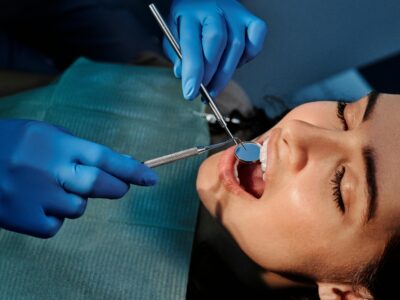
A damaged tooth rarely stays the same for long. What begins as a cracked cusp, an old filling that finally gives out, or decay under a restoration can turn into pain, sensitivity, and a much more complicated repair if it is ignored. In daily practice, this is one of the most common patterns dentists see. Patients often arrive thinking they need a simple filling, only to learn that the remaining tooth structure is too weak to support one. That is the point where a crown becomes less of an optional upgrade and more of a practical, protective solution.
For people searching for Dental Crowns Oxnard CA, the underlying question is usually straightforward: can this tooth be saved, and if so, what is the most dependable way to do it? A crown is often the answer because it does more than cover a tooth. It restores shape, reinforces weakened enamel, improves chewing function, and can help prevent a damaged tooth from breaking further.
The idea sounds simple, but the decision is not casual. A well-made crown should fit precisely, feel natural in the bite, blend with neighboring teeth when appearance matters, and hold up under years of pressure. The quality of the diagnosis matters just as much as the crown itself. Not every cracked tooth needs one immediately, and not every damaged tooth can be predictably saved with a crown alone. Judgment, timing, and materials all matter.
Why crowns remain a go-to treatment
A natural tooth is strongest when its enamel shell is intact. Once that shell is compromised by a large cavity, fracture, repeated dental work, or a root canal, the tooth behaves differently. It flexes more under pressure. Tiny cracks can spread. Biting on something as ordinary as toast, nuts, or a hard sandwich crust can trigger pain or cause a section of tooth to shear away.
A filling works well when enough healthy tooth remains to support it. A crown becomes the better choice when the structure is so compromised that a filling would act more like a patch on unstable ground. In practical terms, crowns are commonly used when more than a modest portion of the tooth has been lost, or when the remaining walls are thin and prone Dental Crowns Oxnard CA to fracture.
This is especially true for back teeth. Molars and premolars absorb the highest chewing forces. They are also the teeth most likely to crack after years of wear or after receiving large fillings. Front teeth are different. A front tooth crown may be chosen more for visible fracture, deep decay, or cosmetic rebuilding, while a posterior crown is often about strength first.
In a coastal community like Oxnard, patients span every age group and lifestyle, from teenagers who chip teeth in sports to adults dealing with old dental work from decades ago. The reasons vary, but the purpose of a crown is consistent: preserve what can still be saved and restore reliable function.
What a dental crown actually does
People often call crowns caps, which is not wrong, but it can make the treatment sound more superficial than it is. A crown is a full-coverage restoration designed to fit over the prepared tooth. Once cemented in place, it acts as the outer shell of that tooth above the gumline.
Its job is mechanical and biological at the same time. Mechanically, it redistributes biting forces and helps keep a weakened tooth from splitting apart. Biologically, it seals the underlying tooth structure from bacteria and temperature changes, assuming the margins are well designed and the patient maintains good home care.
That combination is why crowns are used after root canal treatment so often. A root canal removes infected or inflamed pulp, but it does not strengthen the tooth. In fact, a tooth that has had extensive decay and endodontic treatment is often more brittle because much of its internal support is already gone. The crown is what returns the tooth to useful service.
A crown can also restore confidence. Patients who have hidden a darkened, broken, or misshapen tooth for years sometimes speak more freely after treatment, smile without thinking about angles, and stop chewing on one side out of habit. Function and appearance are closely linked in dentistry, even when the original problem was purely structural.
Situations where a crown may be recommended
Dentists do not place crowns just because a tooth looks worn. The recommendation should be tied to a specific clinical need and a realistic long-term plan. Common reasons include extensive decay, fractured tooth structure, replacement of a large failing filling, support for a bridge, protection after root canal therapy, or correction of severe wear.
Some patterns show up repeatedly in real cases. A patient bites on an olive pit and cracks a molar that already had a large silver filling. Another notices pain when releasing pressure after chewing, a classic clue that a crack may be propagating through the tooth. Someone else loses part of a tooth wall while flossing around an old restoration. In each case, the issue is not just the missing piece. The issue is whether the remaining tooth can still tolerate normal force.
Here are a few signs that often push the conversation toward a crown:
- A tooth has a large filling and little natural structure left around it.
- A crack causes pain during chewing or temperature sensitivity that does not settle.
- Decay has undermined multiple sides of the tooth.
- A root canal has been completed on a back tooth that now needs protection.
- A tooth is badly worn down and no longer functions properly in the bite.
None of these signs automatically means extraction is necessary. In many cases, a crown is precisely what prevents extraction.
Crowns are not all the same
One of the biggest misconceptions is that every crown is basically interchangeable. In reality, crown design depends on location, bite force, esthetic priorities, gum position, and how much healthy tooth remains.
Porcelain or ceramic crowns are popular because they can look very natural, especially in the smile zone. Modern ceramics can be strong enough for many back teeth as well, depending on the case. Zirconia has become common because it offers impressive strength and can perform well in heavy-bite situations. Porcelain-fused-to-metal crowns are still used in some cases, though they are less dominant than they once were. Full metal crowns, usually gold-colored alloys, remain a remarkably durable option for certain molars, even if fewer patients request them for obvious cosmetic reasons.
The best material is not always the prettiest one, and the prettiest one is not always ideal for a patient who grinds their teeth nightly. This is where clinical judgment matters. Someone with a history of fractured porcelain, strong clenching habits, and limited space between upper and lower teeth may be better served by a material chosen for strength and thickness tolerance rather than pure translucency.
Fit matters as much as material. A beautifully shaded crown that traps floss, sits high in the bite, or leaves the margin hard to clean is not a successful restoration. The finest crowns are often the least noticeable. They disappear into the mouth and simply function.
The preparation process, what patients can expect
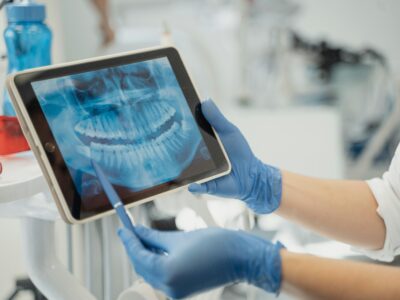
The crown process is usually less dramatic than patients fear. Anxiety often comes from not knowing the sequence. In a routine case, the dentist first examines the tooth, takes X-rays if needed, and confirms that the tooth is restorable. If decay extends too far below the gumline or the crack travels into the root in an unfavorable way, a crown may not be enough. Assuming the tooth can be saved, local anesthetic is used and the tooth is reshaped to create room for the crown material.
If there is not enough healthy structure left to support the crown, the dentist may first place a core buildup. Think of this as rebuilding the foundation so the crown has something solid to sit on. In some heavily broken-down teeth, a post may be discussed after root canal treatment, though posts are not placed routinely and should not be viewed as reinforcement by default. Their role is to help retain the buildup in selected cases.
After preparation, an impression or digital scan is taken. Temporary crowns are commonly worn while the final restoration is fabricated, unless same-day technology is available and appropriate. A temporary matters more than many people realize. It protects the tooth, maintains spacing, and gives a preview of shape and comfort. If a temporary repeatedly comes off, it often signals that the final crown fit and retention will need careful attention.
At the seat appointment, the dentist checks contacts, margins, shade when relevant, and bite. This step should not be rushed. A crown that feels just slightly high can make chewing unpleasant, trigger muscle soreness, and in some cases place damaging stress on the tooth itself. Small adjustments can make a major difference.
How long do crowns last in the real world?
Patients understandably ask for a number. The honest answer is that crown longevity varies widely. Many crowns last well over a decade. Some last much longer. Others fail earlier because of recurrent decay at the margin, tooth fracture underneath, cement washout, gum recession, or bite-related stress.
A crown does not make the underlying tooth immune to future problems. That point is worth stressing. If plaque accumulates around the crown margin, decay can still start where crown meets tooth. If a patient clenches and grinds aggressively without a night guard, even a strong crown can chip or the tooth beneath it can crack. If oral hygiene is inconsistent and regular exams are skipped, small issues can become expensive failures.
In practice, the patients who get the best service life from crowns usually do three things well. They keep the margins clean, they return for periodic evaluations, and they address bite habits before those habits damage the work. Good dentistry and good maintenance have to meet in the middle.
A crown versus a filling, onlay, or extraction
Not every damaged tooth needs a full crown. Conservative treatment is usually preferable when it is predictable. If the damage is limited, an onlay or large bonded restoration may preserve more natural tooth. These can be excellent options in the right case. The trade-off is that they rely heavily on the strength of the remaining enamel and dentin. If too little sound structure is left, a conservative restoration may simply delay the inevitable and fail under stress.
Extraction can seem cheaper in the short term, especially when a tooth is painful and the patient wants the fastest solution. But removing a tooth starts a different chain of consequences. Neighboring teeth can drift, the opposing tooth can over-erupt, chewing changes, and replacement options such as implants or bridges often cost more than saving the original tooth would have.
That said, not every tooth should be crowned. A vertical root fracture, severe periodontal breakdown, decay too far below bone level, or a split extending into the root can make the prognosis poor. Sound treatment planning is not about doing the Dental Crowns Oxnard CA Omni Dental Specialty most treatment. It is about choosing the option with the best balance of durability, biology, and cost.
Cost, insurance, and why estimates can vary
When patients look up Dental Crowns Oxnard CA, they are often comparing value as much as they are comparing offices. Crown fees vary for legitimate reasons. Material choice, laboratory quality, diagnostic complexity, whether buildup or root canal therapy is needed, and the time involved all affect cost. A straightforward crown on a stable tooth is different from a heavily damaged tooth that requires extensive reconstruction before the crown can even be made.
Insurance may cover a portion, but rarely all, of the treatment. Most plans have frequency limitations and annual maximums that have not kept pace with modern fees. That disconnect catches many patients off guard. Two offices can also present different estimates because one includes a buildup, new X-rays, or a separate scan fee while another packages things differently.
The important question is not just, “What does a crown cost?” It is, “What is included, what is the condition of the tooth, and what is the long-term prognosis?” A bargain crown that fails early or has to be replaced because decay was missed is not a bargain.
Choosing a provider in Oxnard
Local convenience matters, but it should not be the only factor. Crown work is highly technique-sensitive. Good outcomes depend on diagnosis, preparation design, impression accuracy, bite management, and follow-up. Patients are wise to ask how the office handles cracked teeth, what materials are commonly recommended for molars versus front teeth, whether digital scanning is available, and what happens if the bite feels off after cementation.
A few practical things to look for include:
- A clear explanation of why a crown is recommended instead of a filling or onlay.
- A discussion of material choices based on your bite, tooth location, and cosmetic goals.
- Attention to symptoms such as chewing pain, clenching, and prior fractures.
- Willingness to explain limitations, including when a crown may not save the tooth.
- A plan for follow-up if the temporary loosens or the final bite needs adjustment.
That kind of conversation tends to signal thoughtful care rather than a one-size-fits-all approach.
What recovery feels like
Most crown appointments are followed by mild soreness rather than significant pain. The gum around the tooth may feel tender for a day or two, and the tooth can be temperature-sensitive, especially if it was already irritated before treatment. Temporary crowns can feel slightly less smooth than final restorations, and patients are usually advised to avoid especially sticky foods on that side until the permanent crown is placed.
Once the final crown is cemented, many people adjust quickly. Others notice the new shape for several days, particularly if the old tooth was broken down and the crown restores lost anatomy. The mouth is remarkably sensitive to changes measured in fractions of a millimeter. A bite that feels even subtly high should be checked promptly rather than tolerated. A short adjustment visit can prevent weeks of discomfort.
If pain worsens after placement instead of gradually settling, the tooth may need reevaluation. Sometimes the issue is simple bite trauma. Sometimes the nerve inside a heavily restored tooth does not recover and root canal treatment becomes necessary after the crown. That is not the usual outcome, but it is an honest possibility, especially when the tooth was already deeply compromised.
Keeping a crown healthy for the long haul
Crowns fail at the edges more often than in the middle. The porcelain or zirconia itself may be intact while the tooth at the margin develops decay. That means daily maintenance is not optional. Brushing along the gumline, flossing carefully around the crown, and keeping recall visits matter more than most patients expect.
Night guards deserve special mention. In patients who clench or grind, a custom guard can dramatically reduce stress on crowns and natural teeth alike. Dentists often recognize bruxism not because a patient reports it, but because the mouth tells the story: flattened biting surfaces, fractured enamel, abfraction lesions near the gumline, sore jaw muscles, and repeated restoration failures. Ignoring those signs after investing in crown treatment is risky.
Diet also plays a part. Ice chewing, popcorn kernels, pens, and hard candy are common culprits in fractured dental work. The problem is not occasional normal eating. It is habitual overload and repeated impact on already stressed teeth.
When timing matters
One of the easiest mistakes is waiting too long. A tooth that might be saved predictably with a crown in March can become a root canal-and-crown case by August, or an extraction case after a holiday weekend fracture. That progression happens because cracks spread and decay deepens. Teeth do not heal structural damage the way skin heals a cut.
Patients often postpone treatment because the pain is intermittent. Unfortunately, intermittent symptoms can be typical of cracked teeth. They hurt when biting a certain way, then go quiet for days. That silence can create false confidence. Once a cusp snaps off or the crack reaches the nerve, the options narrow quickly.
The same is true for old crowns that have reached the end of their service life. If the margin opens, decay can progress underneath without obvious pain until the problem is advanced. Regular exams are often what catch these issues before they become emergencies.
A practical perspective on reliability
Crowns have remained a mainstay of restorative dentistry for a reason. When prescribed thoughtfully and executed well, they offer a reliable way to preserve damaged teeth that would otherwise continue to weaken. They are not magic, and they are not permanent in the absolute sense. They are, however, one of the most effective tools available for rebuilding strength and function when a tooth has crossed the line that makes a simple filling inadequate.
For anyone researching Dental Crowns Oxnard CA, the smartest approach is to focus on diagnosis first, material second, and price in proper context. A crown should solve a real problem, fit the way you bite, and support a plan that keeps the tooth serviceable for years. Done properly, it does exactly what patients hope for: it lets them chew comfortably, smile normally, and stop worrying that the next bite might be the one that breaks the tooth for good.
Omni Dental Specialty
1690 E Gonzales Rd
Oxnard, CA 93036, United States
Phone: +1 805-410-9603
FAQ About Dental Crowns Oxnard CA
What is the average cost of a crown in California?
The fee depends on the crown material, tooth condition and any additional treatment. Request an itemized estimate from Omni Dental Specialty after an examination, and confirm insurance benefits before scheduling.
How long do dental crowns last?
Longevity varies with the material, fit, oral hygiene and biting habits. Regular dental reviews help identify wear, damage or decay. A crown does not need replacement solely because it reaches a particular age.
Do teeth go bad under crowns?
Decay can develop in the remaining natural tooth, particularly near the crown margin. Brush with fluoride toothpaste, clean between teeth daily and keep dental appointments. Report new pain or looseness promptly.
Which crown is best for bruxism?
No material suits everyone. Your dentist assesses grinding, tooth position, bite forces and appearance before recommending a crown. A protective appliance may also be recommended to manage stress on the restoration.