A Beginner’s Guide to Dental Crowns in Oxnard CA
If your dentist has told you that you may need a crown, the recommendation can sound bigger than it really is. Many patients hear the word "crown" and assume it means major dental work, a painful visit, or a cosmetic procedure dressed up as a necessity. In practice, crowns are one of the most common ways dentists protect teeth that are too damaged for a simple filling but still healthy enough to save.
For people looking into Dental Crowns Oxnard CA, the real questions tend to be practical. What exactly does a crown do? When is it necessary? How long does the process take? What does it cost, and how long will it last? Those are the questions that matter when you are deciding whether to move forward with treatment, and they deserve straight answers.
A dental crown is essentially a custom-made cap that covers the visible part of a tooth. Dental Crowns Oxnard CA Omni Dental Specialty It restores shape, strength, and function, and in many cases it improves appearance too. The goal is not just to make a tooth look better. The goal is to help you keep using that tooth comfortably and safely for years.
Why dentists recommend crowns
A crown is usually recommended when a tooth has lost too much structure to hold up under normal chewing pressure. That damage can come from a large cavity, a fracture, a very large old filling, wear from grinding, or a root canal that has left the tooth more brittle than before.
Think of a back molar that has had two or three large fillings over the years. It may look fine on the surface, but the remaining natural tooth can be thin and weak. Every time you chew, that tooth absorbs force. Over time, those weakened walls can crack. A crown wraps around the tooth and redistributes pressure more evenly, which lowers the risk of the tooth breaking apart.
Front teeth are a little different. Crowns on front teeth are often placed because of visible damage, old bonding that keeps failing, or a fracture that affects both function and appearance. The cosmetic aspect matters, but so does strength. A front tooth still needs to bite into food, hold alignment, and tolerate everyday use.
Dentists also use crowns to complete other treatments. After a root canal, especially on a back tooth, a crown is often the final protective step. Crowns can also sit on top of dental implants, or they can anchor a bridge that replaces a missing tooth.
What a crown can and cannot fix
Crowns are versatile, but they are not the answer to every dental problem. A crown can rebuild a damaged tooth, protect a weakened one, and improve the appearance of a misshapen or badly discolored tooth. It can also help restore your bite if a tooth has worn down.
What it cannot do is reverse active gum disease, repair a tooth that is decayed below a restorable level, or solve pain that has not been properly diagnosed. If a tooth has a crack running too deep into the root, a crown may not save it. If the surrounding bone and gum support are poor, placing a crown on that tooth may not be a sound long-term decision.
This is one reason a careful exam matters. Good dentistry is not about placing crowns whenever a tooth looks rough. It is about deciding whether the tooth is worth restoring, and if so, which restoration gives it the best chance of lasting.
Signs that a crown may be the right next step
Patients rarely walk in saying, "I need a crown." More often, they describe a problem. The tooth hurts when they chew. A chunk broke off while eating something soft. A filling keeps failing. A root canal was completed and now the tooth needs to be restored. Sometimes there is no pain at all, just a visible crack or a warning from a dental exam.
Here are some common situations where a crown is often recommended:
- A tooth has a large cavity or a very large filling with little natural structure left.
- A tooth is cracked, chipped, or worn down enough that it needs reinforcement.
- A root canal has been completed, especially on a molar or premolar.
- A tooth is badly misshapen or discolored and other cosmetic options are unlikely to hold up.
- An implant or dental bridge requires a crown as part of the final restoration.
Not every one of these situations automatically leads to a crown. For a small chip on a front tooth, bonding may be more conservative. For a moderate cavity, an inlay or onlay might work. The point is that crowns tend to come into the picture when strength and coverage become more important than preserving every last millimeter of enamel.
The main types of crowns you might hear about
Most patients are less interested in material science than in one simple question: which crown is best for my tooth? The answer depends on where the tooth is located, how much force it handles, how visible it is when you smile, whether you grind your teeth, and your budget.
Porcelain or ceramic crowns are popular because they can look very natural. They are often used on front teeth and many back teeth as well. A well-made ceramic crown can blend beautifully with neighboring teeth, especially when shade matching is done carefully in natural light.
Porcelain fused to metal crowns have been around for a long time. They combine a metal base for strength with a porcelain exterior for appearance. They can still be a reasonable option in some cases, though they are less common than they once were. Over time, some patients notice a dark line near the gums if the gum tissue recedes.
Zirconia crowns have become common because they are strong, durable, and increasingly esthetic. They work well for many molars and premolars, and newer versions can also look quite natural in visible areas. For people who clench or grind, zirconia is often part of the conversation.
Gold or metal alloy crowns are less common today for cosmetic reasons, but from a functional standpoint they can be excellent, especially on back teeth. They tend to be durable and kinder to the opposing tooth than some very hard ceramics. Patients who want them usually do so because they value longevity over appearance.
A good dentist will not give every patient the same answer. The best crown material for a front tooth with high cosmetic demands is often different from the best material for a heavily loaded molar.
What the process usually looks like
Getting a crown is usually straightforward. In many practices, it takes two visits. In some offices with same-day technology, it can be done in one longer appointment. The exact workflow varies, but the fundamentals are similar.
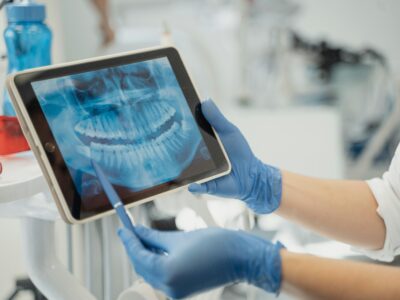
At the first visit, the dentist examines the tooth, takes X-rays if needed, and checks whether the tooth can support a crown. If there is decay, old filling material, or weak structure, that is addressed first. The tooth is then reshaped so the crown can fit over it properly. This part sounds dramatic, but it is a controlled and precise process. Local anesthesia is typically used, and most patients tolerate it very well.
After the tooth is prepared, the dentist takes an impression or digital scan. That record is used to fabricate the final crown. Before you leave, you usually receive a temporary crown to protect the tooth until the permanent one is ready.
At the second visit, the temporary crown is removed and the permanent crown is tried in. The dentist checks the fit, bite, contact with adjacent teeth, and overall appearance. If everything looks and feels right, the crown is cemented into place.
Same-day crowns skip the waiting period in some cases. A digital scan is taken, the crown is designed with software, and an in-office milling unit creates it during the appointment. This can be convenient, but it is not automatically better for every situation. Some cases still benefit from a lab-made crown, especially when color matching is complex or the bite is challenging.
What it feels like during and after treatment
One of the biggest worries beginners have is pain. Most crown procedures are easier than patients expect. The tooth and surrounding area are numbed thoroughly, so you should not feel sharp pain during preparation. You may feel pressure, vibration, or the sensation of water and air, but the appointment is usually manageable.
Afterward, some soreness is normal. The gums around the tooth may feel tender for a day or two. The tooth itself can be a bit sensitive to cold or pressure, especially while wearing a temporary crown. If the tooth had deep decay or a crack before treatment, the recovery can be less predictable. Some teeth settle quickly. Others remain irritated and may eventually need root canal treatment. A skilled dentist can reduce that risk, but no one can guarantee that a heavily compromised tooth will stay calm forever.
When the permanent crown is placed, there may be a short adjustment period. Your bite can feel "different" simply because the tooth has a new contour. That sensation often fades within days. If the crown feels too high when you bite, call your dentist rather than trying to ignore it. A small bite adjustment can make a big difference in comfort and prevent unnecessary stress on the tooth.
Temporary crowns matter more than many people realize
Patients sometimes think of the temporary crown as a placeholder that barely matters. In reality, it plays an important role. It protects the prepared tooth, limits sensitivity, helps keep the tooth from shifting, and gives you a preview of the shape and feel of the final restoration.
Temporary crowns are not as strong or polished as permanent ones. They can come loose if you chew sticky foods, floss aggressively in an upward motion, or bite directly into something hard. If a temporary comes off, do not panic, but do not ignore it either. Call the office promptly. Leaving a prepared tooth uncovered can lead to sensitivity, movement, or fit problems with the final crown.
This is one of those small practical points that patients often remember only after it becomes inconvenient. If you have a temporary crown, chew a little more carefully on that side, avoid gum and caramel, and floss by sliding the floss out rather than snapping it back up.
Cost, insurance, and what affects the fee
Fees for Dental Crowns Oxnard CA vary for reasons that are perfectly ordinary in dentistry. Material type, location of the tooth, whether a core buildup is needed, whether the tooth also needs a root canal, the complexity of the case, and the specifics of the dental office all play a role.
A crown fee usually covers the preparation of the tooth, the impression or scan, the temporary crown, the laboratory or fabrication cost, and the final cementation. If the tooth is badly broken down, you may also need a buildup, which is a foundation placed inside or around the tooth so the crown has something stable to sit on. If the nerve is inflamed or infected, root canal treatment may be a separate cost before the crown can be placed.
Dental insurance often contributes to crowns when they are deemed medically necessary, but plans differ widely. Some cover a percentage after deductible, some have waiting periods, and some limit replacement frequency. It is worth asking for a treatment estimate in advance, not because the office can predict your exact out-of-pocket cost with absolute certainty, but because surprises help no one.
How long a crown lasts
A well-made crown can last many years. In general practice, it is not unusual to see crowns still functioning after 10 to 15 years, and some last much longer. That said, longevity depends on several variables, including the quality of the underlying tooth, your bite, your home care, and whether you grind your teeth at night.
Crowns do not get cavities, but the natural tooth structure at the margin where the crown meets the tooth can still decay. Gum recession can expose those margins over time. Heavy clenching can chip porcelain or loosen cement. Poor brushing and flossing can lead to gum inflammation, which shortens the lifespan of any restoration.
A crown should not be treated like a permanent shield that makes the tooth invincible. It is more accurate to think of it as a well-engineered protective restoration that still depends on the health of the tooth and gums underneath it.
Caring for a new crown
The day-to-day care for a crown is not complicated, but it does require consistency. The same habits that protect natural teeth protect crowned teeth as well.
- Brush thoroughly twice a day, paying attention to the gumline around the crown.
- Floss daily to remove plaque where the crown meets the natural tooth.
- Avoid using your teeth as tools to open packages or bite hard objects.
- Wear a night guard if you clench or grind while sleeping.
- Keep regular dental exams and cleanings so small issues are caught early.
One practical note from clinical experience: patients often assume that if a crowned tooth is not painful, it must be fine. That is not always true. Early margin leakage, cement washout, and small recurrent cavities may not hurt at first. Routine checkups are often where those issues are found while they are still manageable.
When a crown may need repair or replacement
Crowns are durable, but they are not lifetime devices. Sometimes the crown itself chips or cracks. In other cases, the problem lies underneath. Cement can fail, decay can develop at the edge, or the tooth can fracture deeper than expected.
A crown may need attention if you notice persistent sensitivity, a bad taste around the tooth, pain when biting, visible cracking, gum irritation near the margin, or a crown that feels loose. Occasionally a crown simply reaches the end of its useful life and needs replacement due to wear or age, even if it has served well for many years.
This is also where experience and judgment come in. Not every small chip requires a new crown. Not every loose crown means the tooth is lost. Sometimes a crown can be recemented. Sometimes a local repair is possible. Other times replacement is the smarter choice because the issue is a symptom of deeper breakdown.
Choosing a dentist for crowns in Oxnard
If you are comparing offices for Dental Crowns Oxnard CA, the right questions are not only about price. You want to know how thoroughly the dentist evaluates the tooth, how the practice handles fit and bite issues, what materials they commonly use, whether they discuss alternatives honestly, and how they approach esthetics if the crown will show when you smile.
It is reasonable to ask whether the office uses digital scanning or traditional impressions, whether they offer same-day crowns, and how they manage temporary crowns. It is also reasonable to ask what happens if the crown does not feel right after placement. Dentistry is precise work, and even good crowns sometimes need minor adjustments. A practice that expects and supports follow-up care is generally a good sign.
Local reputation matters too, though it should be interpreted thoughtfully. A review that says, "The office was nice" tells you less than one that mentions communication, comfort, fit, and long-term satisfaction with the restoration. If a crown is going on a front tooth, ask to see examples of cosmetic work if the practice provides them.
Questions beginners should ask before saying yes
A good crown conversation should feel clear, not rushed. If you are unsure, ask direct questions. What is wrong with the tooth now? What happens if I wait? Is there a more conservative option? What material do you recommend for this tooth, and why? Will I need a buildup or root canal? How long should this crown last in my case?
Those questions do two things. They help you understand the treatment, and they help you gauge the dentist's reasoning. Strong recommendations are not a problem. Unsupported recommendations are.
There are also situations where waiting carries real risk. A cracked tooth that only needs a crown today may need extraction a few months from now if the crack spreads below the gumline. On the other hand, if the issue is mostly cosmetic and function is stable, you may have more time to think through your options. The difference matters.
A practical way to think about crowns
The simplest way to think about a crown is this: it is a protective rebuild for a tooth that still has a future. The treatment is not minor, but it is routine. It is not cheap, but it is often less costly and less invasive than replacing a tooth later. And while no restoration lasts forever, a properly planned crown can buy many years of comfortable chewing, better function, and peace of mind.
For beginners in Oxnard, the smartest next step is not to memorize every crown material or every technical term. It is to get a careful exam, understand why the crown is being recommended, and choose an office that explains the trade-offs without overselling. When the diagnosis is sound and the planning is thoughtful, crowns are one of the most reliable tools dentistry has for helping patients keep their natural teeth.
Omni Dental Specialty
1690 E Gonzales Rd
Oxnard, CA 93036, United States
Phone: +1 805-410-9603
FAQ About Dental Crowns Oxnard CA
What is the average cost of a crown in California?
The fee depends on the crown material, tooth condition and any additional treatment. Request an itemized estimate from Omni Dental Specialty after an examination, and confirm insurance benefits before scheduling.
How long do dental crowns last?
Longevity varies with the material, fit, oral hygiene and biting habits. Regular dental reviews help identify wear, damage or decay. A crown does not need replacement solely because it reaches a particular age.
Do teeth go bad under crowns?
Decay can develop in the remaining natural tooth, particularly near the crown margin. Brush with fluoride toothpaste, clean between teeth daily and keep dental appointments. Report new pain or looseness promptly.
Which crown is best for bruxism?
No material suits everyone. Your dentist assesses grinding, tooth position, bite forces and appearance before recommending a crown. A protective appliance may also be recommended to manage stress on the restoration.